


- Nose
- 05 Aug 2026
Do Infant Adenoids Go Away with Time? When Is Treatment Needed?
Many parents assume that enlarged adenoids in infants will disappear naturally as their child grows, leading them to delay seeking medical advice despite symptoms such as snoring or difficulty breathing.
However, this is not always true. The need for treatment depends on the severity of the symptoms and how much the enlarged adenoids affect the child's breathing, hearing, and overall development.
What Are Adenoids in Infants?
The adenoids are a collection of lymphoid tissue located behind the nose (nasopharynx). In some infants, they become enlarged and partially block the airway, making breathing through the nose more difficult.
What Are the Symptoms of Enlarged Adenoids in Infants?
Common symptoms include:
- Persistent snoring during sleep.
- Mouth breathing, especially while sleeping.
- Difficulty breastfeeding or feeding.
- Disturbed sleep.
- Episodes of breathing difficulty or obstructive sleep apnea during sleep.
Can Enlarged Adenoids Affect Hearing and Growth?
Yes. Enlarged adenoids may lead to:
- Fluid behind the eardrum (middle ear effusion).
- Hearing loss.
- Delayed speech and language development due to hearing problems.
- Poor-quality sleep, which may affect normal growth.
- Feeding and swallowing difficulties in severe cases.
Do Infant Adenoids Disappear on Their Own?
One of the most common misconceptions is that enlarged adenoids will always disappear as the child grows.
In reality, the decision depends on:
- The size of the adenoids.
- The severity of symptoms.
- Their impact on breathing, hearing, feeding, and growth.
If symptoms are severe or persistent, medical evaluation should not be delayed.
How Are Enlarged Adenoids Diagnosed?
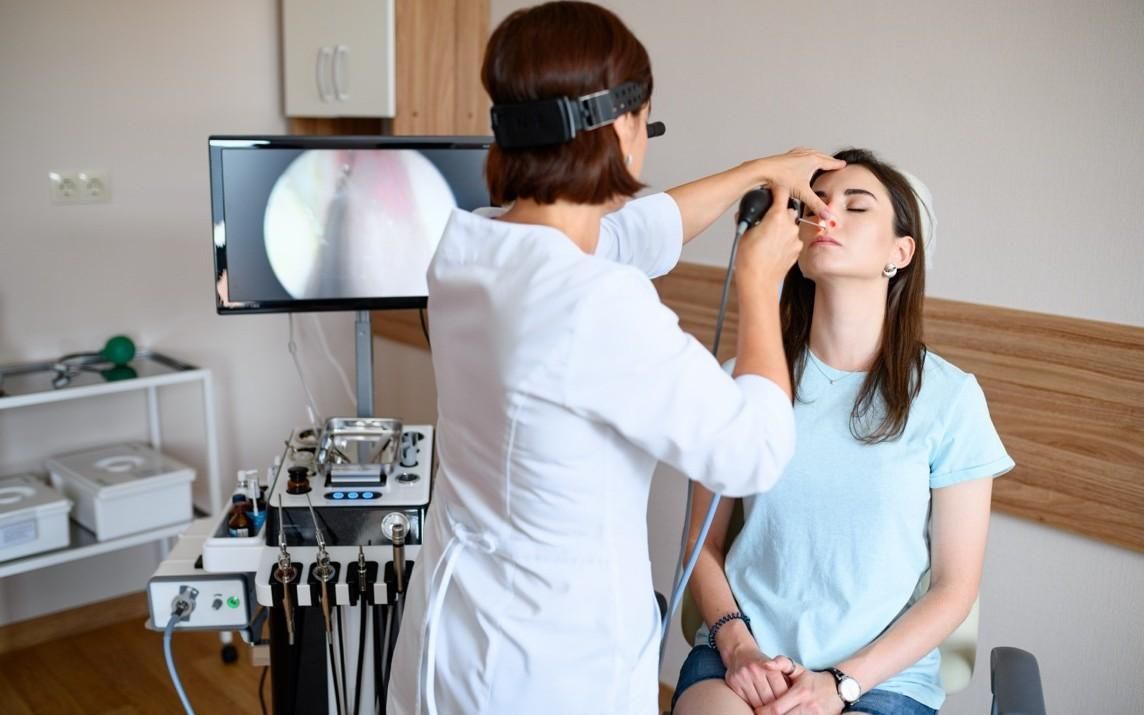
Diagnosis is performed by an ENT specialist and may include:
- Nasal endoscopy.
- X-ray imaging in selected cases.
These examinations help determine the size of the adenoids and their effect on the airway.
When Is Adenoid Surgery Recommended?
If enlarged adenoids are confirmed to be the cause of significant symptoms and medical treatment is not effective, your ENT specialist may recommend adenoid removal.
At ENT Clinic, adenoid surgery is performed using endoscopic guidance and coblation technology, which allows precise removal while helping reduce bleeding and postoperative pain, with a lower chance of adenoid regrowth compared with traditional techniques.
Frequently Asked Questions
Do enlarged adenoids in infants go away naturally?
Not always. The need for treatment depends on the size of the adenoids and the symptoms they cause.
Can enlarged adenoids cause delayed speech?
Yes. They may contribute to hearing problems caused by middle ear fluid, which can affect speech and language development.
Is adenoid surgery safe for infants?
The ENT specialist determines whether surgery is appropriate based on the infant's condition, age, and severity of symptoms.
Can adenoids grow back after surgery?
Regrowth is uncommon but can occur in a small number of cases. Using endoscopic and coblation techniques may help reduce this risk.
Related Services
Related Articles
Start with an Early Evaluation
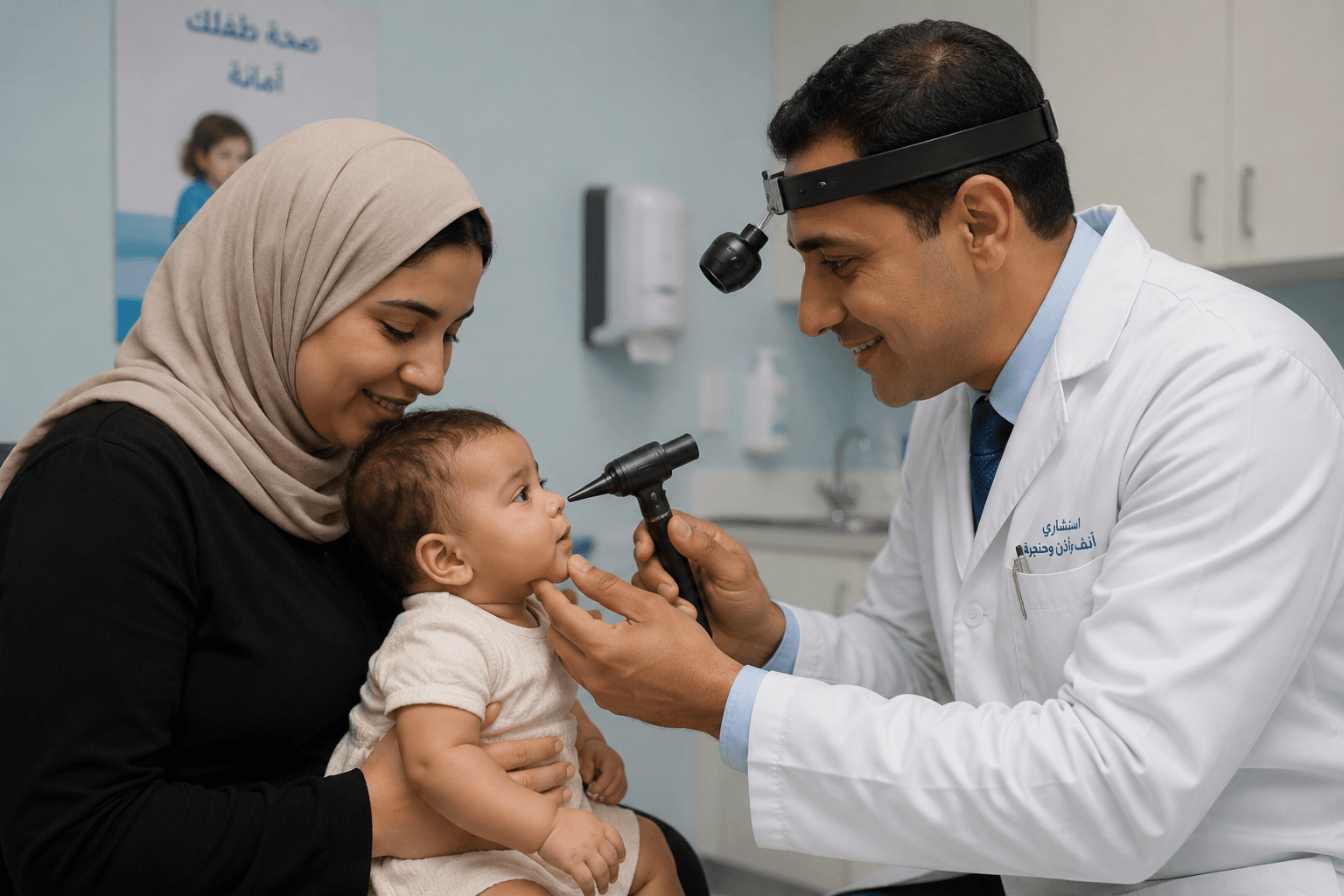
If your baby snores frequently, has difficulty breathing through the nose, struggles with feeding, or experiences disturbed sleep, an early evaluation is important.
At ENT Clinic, our ENT specialists diagnose enlarged adenoids and develop the most appropriate treatment plan for every child.
📞 Book your appointment: 0248836150