


- Nose
- 12 Aug 2026
Are tonsil and adenoid removal surgeries still as painful as they used to be?
With advances in ENT surgery, modern techniques such as Coblation are now used for tonsil and adenoid removal. Coblation helps reduce thermal damage to the surrounding tissues compared with traditional electrocautery, which may contribute to less postoperative pain, reduced bleeding, and a smoother recovery.
What Is Coblation?
Coblation is a modern surgical technology used to remove tissue and help control bleeding while operating at lower temperatures than traditional electrocautery.
The reduced thermal effect helps minimize damage to the surrounding tissues, making Coblation a commonly used technique in several ENT procedures, particularly tonsillectomy and adenoidectomy.
What Is the Difference Between Coblation and Traditional Electrocautery?
Some traditional surgical techniques use heat to remove tissue and control bleeding, which can cause a greater thermal effect on the tissues surrounding the surgical area.
Coblation, on the other hand, operates at lower temperatures and therefore reduces the thermal effect on surrounding tissues.
This may help with:
- Less postoperative pain.
- Reduced bleeding during surgery.
- Faster recovery after surgery.
- Less thermal damage to surrounding tissues.
What Are the Benefits of Coblation Tonsillectomy?
Using Coblation for tonsil removal may offer several benefits, including:
- Less postoperative pain: Due to reduced thermal damage to surrounding tissues.
- Reduced bleeding during surgery: Coblation helps remove tissue while controlling bleeding.
- Faster recovery: This may help patients gradually return to their normal daily activities according to their doctor's instructions.
- Surgical precision: The technology allows the surgeon to target the required tissues accurately.
Recovery time varies depending on the patient's age, overall health, and the nature of the procedure.
How Is Coblation Used for Adenoid Removal?
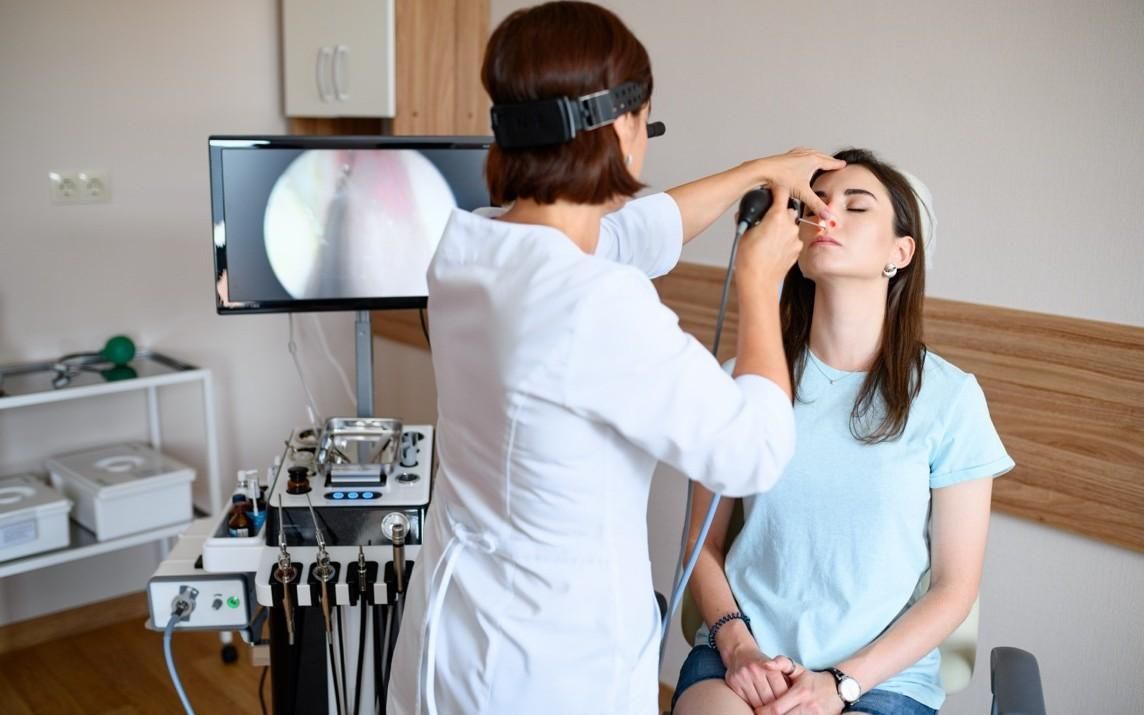
Coblation can also be used for adenoidectomy, particularly when combined with endoscopic guidance.
The endoscope provides the surgeon with a clear view of the adenoid area, while Coblation allows precise tissue removal. This can help achieve more complete removal and reduce the likelihood of residual adenoid tissue.
Can Adenoids Grow Back After Coblation Surgery?
Adenoid tissue can regrow in some cases, so no surgical technique can guarantee that adenoids will never return.
However, using endoscopic guidance with Coblation helps the surgeon visualize the adenoid area clearly and remove the tissue precisely, reducing the likelihood of residual tissue after surgery.
Is Coblation Suitable for Children?
Coblation is used for tonsil and adenoid removal in children. However, the most appropriate surgical technique depends on the child's individual condition.
The need for surgery and the surgical method are determined by an ENT specialist after evaluating the child's symptoms and overall health.
When Does a Child Need Tonsil or Adenoid Removal?
An ENT specialist may recommend surgery in certain cases, including:
- Recurrent tonsillitis.
- Enlarged tonsils affecting breathing or swallowing.
- Enlarged adenoids causing nasal obstruction.
- Persistent snoring during sleep.
- Sleep-disordered breathing or obstructive sleep apnea.
Having one of these symptoms does not necessarily mean that surgery is required. The decision depends on a full medical evaluation.
Frequently Asked Questions
Is Coblation tonsil surgery less painful?
The reduced thermal effect of Coblation on surrounding tissues may help reduce postoperative pain compared with some traditional techniques. However, pain and recovery vary from one patient to another.
Does Coblation reduce bleeding during tonsil surgery?
Coblation helps control bleeding during surgery and may reduce intraoperative bleeding compared with some traditional surgical techniques.
How long does recovery take after Coblation tonsil surgery?
Reduced pain and thermal tissue damage may contribute to a smoother recovery. However, recovery time varies depending on the patient's age, condition, and type of procedure.
Can Coblation be used for adenoid removal?
Yes. Coblation can be used for adenoidectomy and may be combined with endoscopic guidance to provide better visualization and precise removal of the adenoid tissue.
Is Coblation better than traditional electrocautery?
Each surgical technique has its own indications. Coblation offers the advantage of a lower thermal effect on surrounding tissues compared with traditional electrocautery, while the ENT specialist determines the most appropriate technique for each patient.
Related Services
🔗 ENT Surgery and Endoscopy
🔗 ENT Clinics
Related Articles
🔗 Do Infant Adenoids Go Away with Time? When Is Treatment Needed?
🔗 When Does a Child Need Adenoid Surgery? Symptoms and Treatment
🔗 Is Summer a Good Time for ENT Surgery?
🔗Is Radiofrequency Treatment an Effective Solution for Nasal Obstruction?
Book an Evaluation
If your child experiences recurrent tonsillitis, enlarged tonsils or adenoids, persistent snoring, or difficulty breathing during sleep, a medical evaluation can help determine the appropriate treatment and whether surgery is needed.
At ENT Clinic Egypt, Coblation technology is available for tonsil and adenoid surgery, with the most appropriate surgical approach selected according to each patient's condition.
📞 Book your appointment: 0248836150
🌐 ENT Clinic Egypt